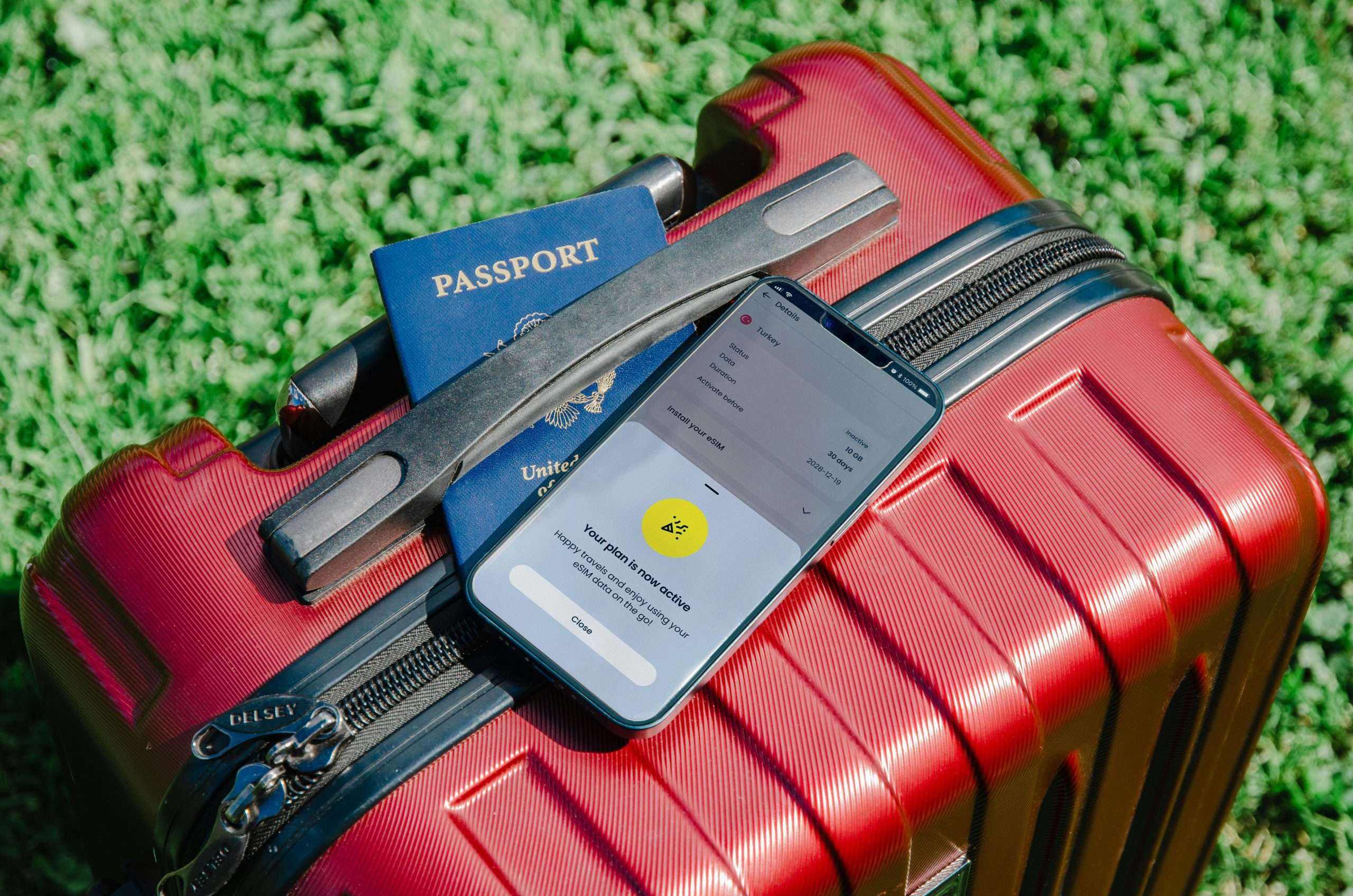
If you are planning a trip from America to the UK, you will sooner or later meet the letters ETA, and no, this is not your arrival time. It stands for Electronic Travel Authorisation, and if you are coming to see London, the Cotswolds or anywhere else in Britain, you are going to need one. The good news is that it is far less complicated than it sounds. Entry rules do change, so treat this as a plain-English overview, accurate as of August 2026, with the official government website as the source of truth for the fine print.
So, what is a UK ETA, and why do you need one?
The ETA is the UK’s digital pre-travel authorisation. It applies to American visitors and to travellers from other nationalities who previously entered the UK visa-free for short stays, and it is now a standard part of planning a trip, whether you are coming for tourism, business, visiting family or just passing through.
Think of it as the US ESTA system in reverse: an online travel pass showing you have been pre-approved to enter the UK without a full visa. It is not a visa, and it does not change what you can do on a visit; it simply moves a check that used to happen at the border to before you fly. It is linked electronically to your passport, so there is nothing to print and nothing extra to carry.
Once granted, an ETA covers repeat visits for as long as it remains valid, or until the passport it is linked to expires, whichever comes first. The current validity rules, along with everything else about the scheme, live on the official gov.uk ETA guidance page, and that is the page to trust over anything else you read, this one included.
How do you apply?
Online, through the official gov.uk website, before you travel. The application asks for your passport details, a recent photo and answers to a few background questions; gov.uk lists the current fee. Apply comfortably ahead of your travel date rather than on the way to the airport; applications are decided before you fly, and gov.uk sets out how much time to allow.
One genuine word of caution: unofficial look-alike websites exist that charge extra for submitting exactly the same application, so start from the official gov.uk page and nowhere else. There are no biometric appointments, no embassy visits and no printouts, because the whole thing is digital and tied to your passport. With the admin out of the way, you can turn your attention to what to pack for your first trip to England.
Flying into Dublin? A note on the Irish border
This is where travellers most often get caught out. The Republic of Ireland is not part of the UK, and the Common Travel Area that lets British and Irish citizens move freely between the two does not extend to American visitors. So if you fly into Dublin and later cross into Northern Ireland, or carry on to England, Scotland or Wales, you still need an ETA for the UK part of the trip.
There are no routine passport checks on the land border between the Republic and Northern Ireland, which tempts some travellers to skip the paperwork. The requirement applies all the same, and the sensible course is to have your ETA in place before you set off, so the question never arises. If Belfast is part of the plan, our private Belfast city day tour takes in the Titanic Quarter, Stormont and the murals on the Falls and Shankill roads.
So, do you still need an actual visa?
For most trips, no. Americans visiting for up to six months do not need a full visa, and the ETA covers the things a holiday usually involves: sightseeing and tourism, business meetings, visiting friends and family, and short training courses.
You will need a proper visa if your plans go beyond that, for example staying longer than six months, working or taking paid engagements, or enrolling at a university. If your trip sits anywhere near those lines, gov.uk is once again the place to check before you book anything.
Everyone travelling needs their own
An authorisation belongs to a person rather than to a booking, so every traveller applies separately, children and babies included. The practical way to handle a family or a group is to sit down once with all the passports in front of you and work through them in a single session, because the details on each application have to match the passport exactly, middle names and spellings and all. Each traveller needs their own photograph too. It is dull admin, and it is far easier done at a kitchen table than in pieces over several evenings, and if you are travelling with children it is one of the few parts of the trip where the youngest members of the party need paperwork of their own.
The authorisation belongs to your passport
Because it is tied electronically to the document you applied with, the passport you carry to the airport has to be that same document, and a renewal breaks the link. If you replace your passport between applying and flying, whether it expired, went missing or simply came back from renewal sooner than expected, you apply again on the new one rather than moving the old approval across. It is worth checking that the passport number on your flight booking matches the one you gave as well, since travellers who renew halfway through planning often update one and forget the other. None of it is difficult, but it is all much easier to sort out at home than at a check-in desk.
What happens once you land
The authorisation does not replace passport control, it simply means the questions have been asked and answered before you left. You still queue with everyone else, present the passport your ETA is attached to and go through the gates, and it is perfectly normal to be asked where you are staying and how long you are here for, so it helps to have the first hotel and your return date somewhere you can reach without unpacking your bag. After that the day is yours, which after a transatlantic flight tends to mean finding the least demanding way out of the airport. If working out trains and taxis on no sleep holds no appeal, our private airport transfers take that decision away.
The short version
Get your ETA from the official government site before you travel, give it sensible lead time, and the border itself becomes a formality. Then the more interesting decisions can take over, like which palace to see first. Our private tours of London are a good place to start that particular debate. And if you have any questions about how the practicalities of a trip fit together, just ask us. We are a destination management company as well as a tour operator, and pointing travellers in the right direction is a large part of what we do.