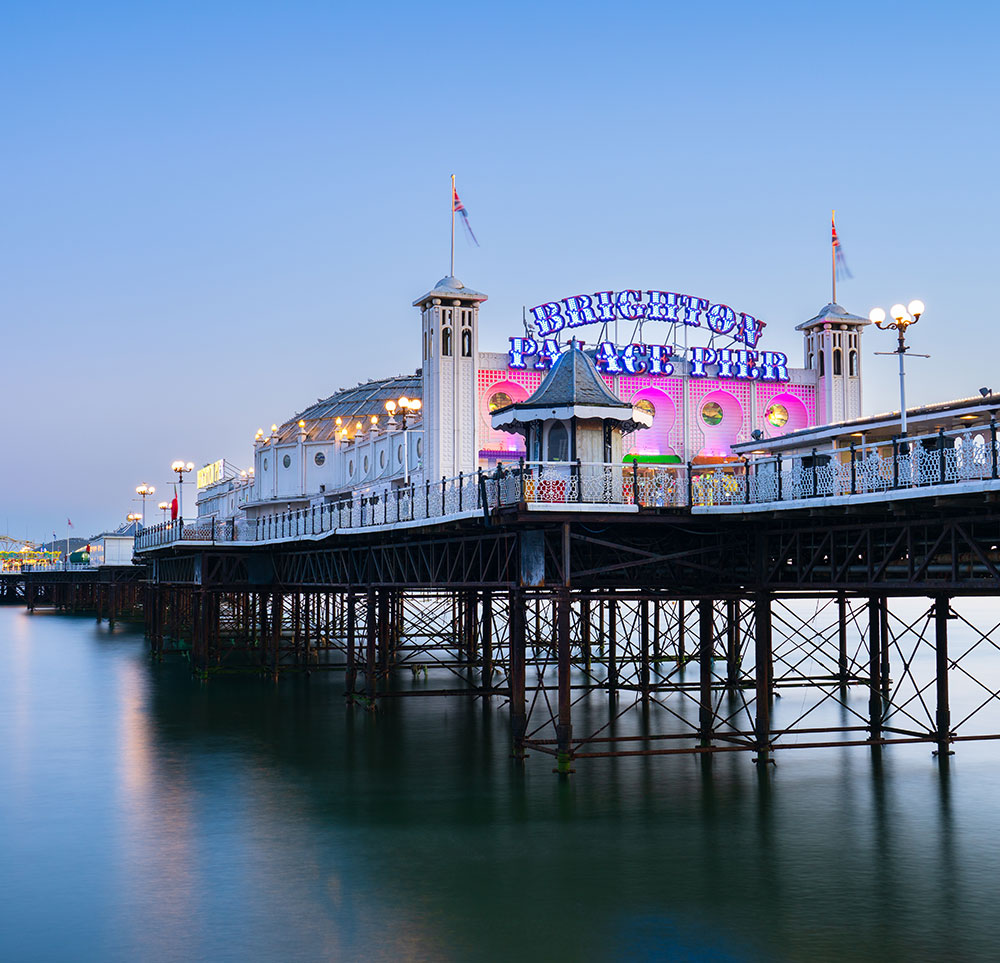
Brighton is one of the most vibrant, iconic cities in England. Known for its unique mix of eclectic arts and culture and tranquil seaside bliss, Brighton has something for everyone. Read on for a guide to some of Brighton’s most unmissable spots. If you would like company along the way, join us for a private walking tour of Brighton. Brighton is home for us, which is where the local knowledge in this guide comes from, and there is more about the guides who would be showing you around if you are curious.
North Laines
This labyrinth of narrow, winding streets is full of independent shops, quirky boutiques, and cozy cafés. It is home to vintage clothing stores, handmade jewelry shops, second-hand record stores, and unique art galleries. In fact, it’s the perfect place to go for people who love discovering hidden gems or collecting quirky souvenirs.
The North Laines are also home to a diverse selection of eateries. From trendy vegan cafés to traditional British pubs, the area offers a variety of international cuisines.
South Laines
The South Laines are a more relaxed alternative to the North Laines which still retains its unmistakable Brighton charm. The area is lined with stylish shops, cafes, and restaurants. Moreover, it is home to many of Brighton’s most iconic antiques shops, making it an ideal place for treasure hunters with a knack for hunting down special and unique finds.
With a notable reputation for fashion, the South Laines are overflowing with boutiques. They offer everything from high-end designer pieces to up-and-coming local brands.
Brighton Beach
Brighton Beach is a popular pebble beach and is recognized as one of the most renowned beaches in the UK. It attracts both locals and tourists alike. The beach is an iconic destination for sunbathers, swimmers, and those who simply want to enjoy the coastal atmosphere.
Brighton seafront is lined with cafés, bars, and ice cream stalls, enabling visitors to make a whole day of it. In addition, the beach is also a great spot for evening walks, with the gentle waves and warm sea air creating the perfect backdrop for a sunset promenade. Should the seafront leave you wanting more coastline, have a look at the most scenic coastal places in southern England.
Palace Pier
A trip to Brighton wouldn’t be complete without a visit to the iconic Brighton Palace Pier. First opened in 1899, this Victorian pier is one of Brighton’s most recognizable landmarks.
The pier is a true trip down nostalgia lane, with amusement arcades, funfair rides, and even a Ferris wheel. The pier is also home to several restaurants and cafés. Notably, traditional fish and chips is a strong favorite choice among many visitors.
Once the sun sets, Brighton Pier is illuminated, adding an ethereal, magical glow to the beachfront and making this another great spot for evening walks.
The seafront either side of the pier
Most visitors walk the stretch between the two piers and stop there, which leaves out a good deal. Running east from beside the Palace Pier is Volk’s Electric Railway, opened in 1883 and the oldest working electric railway in the world, still carrying passengers along the top of the beach towards the marina. The arches below the promenade hold artists’ studios, small galleries, cafes and the fishing museum, which tells the story of the fleet that worked off this beach long before anybody came here for a holiday.
Kemp Town and Hove
Walk east past the pier and the seafront opens into Kemp Town, where cream Regency terraces face the Channel around Lewes Crescent and the streets behind them are full of independent shops and small restaurants. Head west instead and you cross into Hove, quieter and more composed, with wide lawns above the beach, a long row of painted beach huts and squares that were laid out when the resort was still expanding along the coast. The two ends of the front feel like different towns, which is part of the appeal.
Brighton Pavilion
The Brighton Pavilion is a former royal residence commissioned by King George IV. Building began in 1787 and was completed in 1823. Historically, it was used as a seaside retreat. The building is known for its incredible and striking blend of Indian, Chinese, and European architectural styles.
Brighton Pavilion’s opulent rooms, intricate decoration, and beautifully manicured gardens make it one of the south of England’s most adored historic buildings. Additionally, it serves as a highly distinctive and unique symbol of the Regency era. It offers a fascinating glimpse into royal history and architectural innovation. And when one day in Brighton is not enough, there is always our 5 Day English Adventure tour.
If you have any questions, just ask us, we are here to help you not just with tours and days out, we are a destination management company and can guide you in the right direction
The Downs behind the city
Brighton has open country immediately behind it, and the South Downs National Park begins where the housing stops. Devil’s Dyke, a deep dry valley cut into the chalk above the city, looks north across the Weald and is the obvious place to understand how the coast and the countryside fit together. Anyone who has spent a day among shops and seafront tends to find the contrast welcome.
Coming down from London for the day
Brighton works well as a day out of the capital. Trains run into a station in the middle of the city and the walk down to the sea is downhill all the way, so no car is needed once you arrive, and our guide to travelling around England by bus and train covers how that works more generally. Coming by car opens up the villages and the Downs on either side of the city on the same day, which is the usual reason our guests choose it. Our day trips from London set out the other directions a day out of the capital can take.