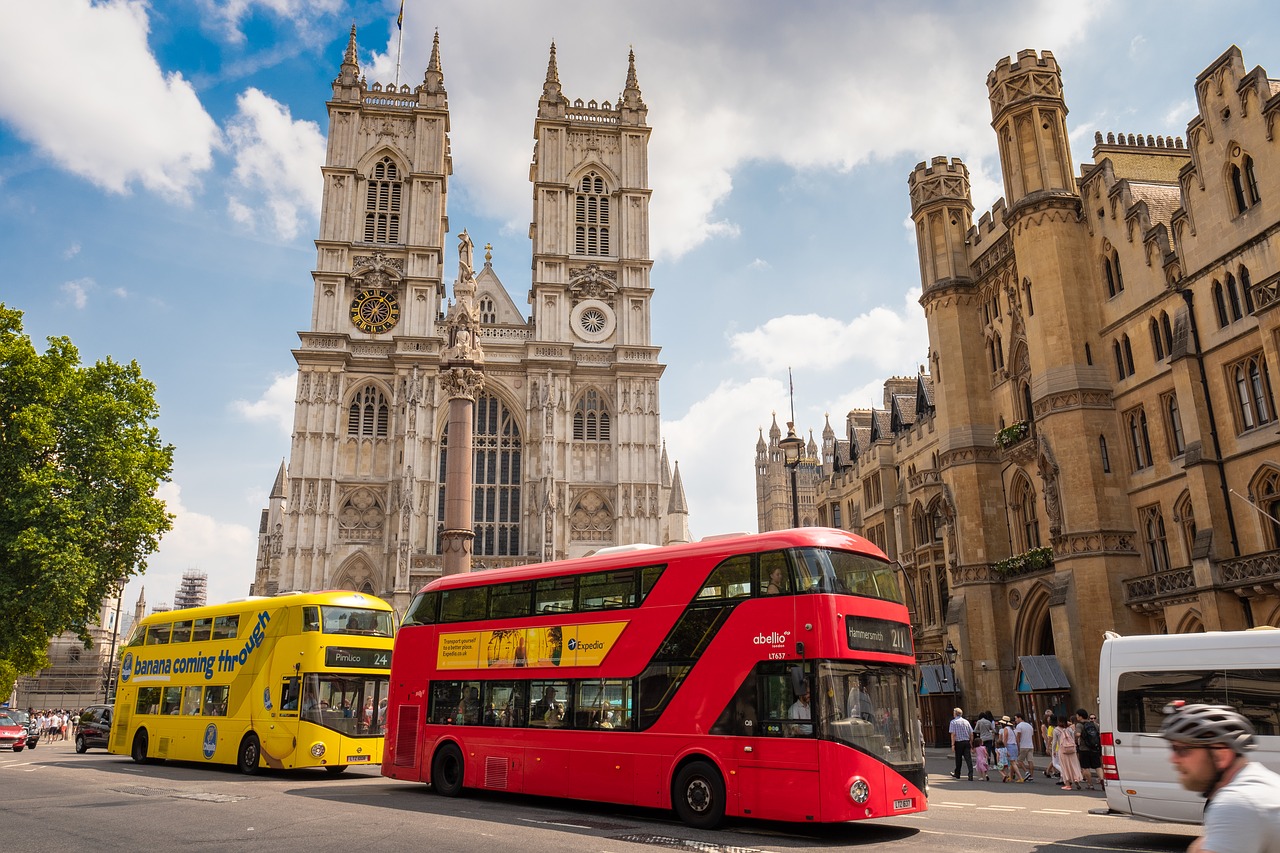
England’s public transport system can sometimes baffle American visitors used to car travel and comprehensive subway systems. Whilst our guided UK tours remove the navigation burden entirely, understanding how buses and trains work here will be a huge help if you’re exploring independently or have free time during your visit.
The good news is that England is genuinely well-connected by public transport, particularly between major cities and tourist destinations. The bad news is that the system is fragmented, operated by multiple companies with different ticketing systems, and occasionally acts as though it’s designed to confuse rather than assist.
Here’s what you need to know to navigate it:
Trains Might Cost More Than Expected
England’s rail network runs frequently between major destinations like London to Bath, York to Edinburgh, Manchester to Liverpool, and they can be considerably faster than driving. The downside is that rail fares are expensive, a return ticket from London to Edinburgh can cost £200 if you book last minute, though advance tickets might be £50. This pricing structure confuses Americans used to more predictable fares.
If you are planning rail travel while here, book in advance whenever possible. Tickets released weeks before travel are significantly cheaper than those bought on the day, so the earlier you book, the more you save.
Peak And Off-Peak
Train tickets come in confusing categories: Anytime (expensive, valid on any train), Off-Peak (cheaper, restricted during rush hours), and Advance (cheapest, valid only on specified trains). Getting this wrong costs money.
Peak times typically run Monday to Friday, roughly 6:30-9:30am and 4:00-7:00pm, though exact times vary by route. Weekend trains are usually off-peak and if you’re traveling during these periods, you’ll pay premium fares unless you’ve booked specific advance tickets. Understanding peak pricing and times can prevent nasty surprises.
Buses Offer Cheaper Alternatives
Trains are fast and expensive, while buses are slow and affordable with companies like National Express and Megabus operating intercity routes at a fraction of rail costs. The trade-off is time, journeys may take considerably longer, and you’re at the mercy of traffic congestion especially in areas like London.
Local buses are essential for reaching different points in places like the Cotswolds, or smaller historic sites. Frequencies vary, some routes run hourly, others three times daily, some not at all on Sundays so timetables require careful checking.
Oyster Cards and Contactless Payments
London’s transport system operates differently from the rest of England and the famous Underground, buses, and trains all accept Oyster cards (rechargeable smart cards) or contactless bank cards. Cash isn’t accepted on London buses anymore which often surprises American visitors who assume cash remains universal.
Outside London, buses usually accept cash, though contactless payment is becoming increasingly common.Tap your bank card or phone at entry and exit points and the system automatically calculates the cheapest fare and caps your daily spending. It’s clever and convenient once you understand it.
Timetables May Require Interpretation
British bus and train timetables look straightforward until you notice the footnotes. “Runs Mondays to Fridays except Bank Holidays.” “Saturdays only from March to October.” “Does not run on days when there’s an ‘R’ in the month.” (we’re exaggerating slightly, but only slightly!)
Bank Holidays and public holidays will usually disrupt the normal transportation service patterns with Sunday timetables, limited routes, and some services not running at all. Watch out for fluctuations and schedule changes on and around:
- New Year’s Day
- Good Friday
- Easter Monday
- Early May
- Late May
- Late August
- Christmas Day
- Boxing Day (the day after Christmas Day)
Station Layouts Can Confuse
British railway stations weren’t designed with logical layouts in mind and have evolved over 150+ years. Navigating them requires patience and attention to detail. Platform numbers aren’t always laid out in a sequential or sensible arrangement; Platform 1 might be nowhere near Platform 2. Some stations have platforms 0, or letter designations, or sub-platforms like 4A and 4B that are actually different platforms entirely.
Allow extra time for connections, particularly at larger stations like London King’s Cross or Manchester Piccadilly. What looks like a 10-minute change might require navigating stairs, long platforms, and confusing signage.
Wi-Fi and phone signals are patchy
Don’t assume you’ll have constant wifi connectivity on England trains or buses, it exists on many intercity trains but ranges from adequate to useless. Mobile signals disappear regularly, and bars vanish entirely, particularly through rural areas and tunnels.
Download maps, tickets, and any essential information needed before traveling as dead zones are common, especially when touring the British countryside, and planning accordingly prevents frustration. Infrastructure is improving but remains inconsistent outside major urban areas.
Understanding Bus Stops
British bus stops come in two varieties: those with timetables and shelters, and those with just a pole and a sign. Both require you to flag down buses actively, just standing at the stop isn’t sufficient. Stick your arm out clearly when you see your bus approaching, or you will discover that the driver just rolls past without a glance.
Bus numbers and routes can be complicated and counter-intuitive; number 42 might go to completely different destinations depending on time and day. Check specific journey details rather than assuming route numbers tell the whole story.
Public Transport Can Beat Driving
Despite its flaws and complexity, public transport often makes more sense than hiring a car in England. City centre parking is expensive and very limited in some areas. If you are not used to driving on the left it requires some adjustment and concentration. Narrow country lanes with sharp turns and switch-backs challenge even experienced English drivers.
For intercity travel and urban exploration, trains and buses work brilliantly (see our article on slang words!). You can relax, enjoy scenery, and arrive without parking stress. During our tours, transport is handled for you, but understanding the public system helps if you’re extending your stay or exploring independently.
If navigating buses and trains sounds stressful (and trust us, it can be!), that’s precisely why our tours exist. We handle the logistics whilst you enjoy the journey. Contact us to plan your England tour and avoid the transportation hassles.